
With so many types of programs to choose from — lessons, memberships, leagues, rentals, camps, and tournaments. It’s not always clear which ones deliver the
Most sports facility websites are not losing registrations because of one major issue.
The problem is usually a collection of smaller friction points that make it harder for parents and athletes to move from interest to registration.
A slow website, confusing navigation, outdated schedules, unclear program information, or too many booking steps can all interrupt that process. Over time, those small issues affect visibility, trust, and registration completion rates more than many facilities realize.
Parents are often making decisions quickly. If information is difficult to find or the website experience feels outdated, there is a higher chance they leave and continue comparing other programs instead.
In this article, we’ll walk through five website changes that can help sports facilities improve registrations, reduce friction, and create a better online experience for parents and athletes.

One of the most common website issues for sports facilities is making registration harder to find than it should be.
Parents should not need to search through multiple pages just to locate schedules, availability, or registration links. When booking pathways become unclear, there is a higher chance families postpone registration or leave the site altogether.
Strong facility websites make the next step obvious.
This usually includes:
For example, if a parent lands on a basketball training page, registration details and session availability should already be visible without forcing them to navigate through several additional pages.
Reducing friction during this process helps facilities improve completion rates while creating a smoother experience for families.
Website speed now affects far more than just user experience.
Recent SEO and conversion research continues showing that slow websites reduce engagement, increase bounce rates, and negatively affect conversions. Some studies show even a one-second delay can reduce conversions significantly.
Parents expect websites to load quickly, especially on mobile devices where many registrations now happen.
When pages load slowly, buttons shift during loading, or registration forms feel delayed, trust drops immediately before families even review the actual program information.
This is also becoming increasingly important for Google visibility.
Core Web Vitals and overall page experience continue playing a larger role in search rankings and discoverability. Faster websites help search engines crawl content more efficiently while improving the overall experience for visitors.
For sports facilities, speed improvements often come from:
Website infrastructure also plays a major role in long-term performance. WebKit by Upper Hand is built specifically for sports businesses and focuses heavily on speed, SEO performance, and Core Web Vitals. Faster-loading pages, stronger mobile responsiveness, and optimized website structure help facilities create a smoother experience for parents while improving visibility in search results.
Even small speed improvements can noticeably improve how a website feels to parents navigating schedules and registrations.
Parents want to understand what athletes will experience before registering.
Generic stock images and basic program descriptions rarely provide enough context. Families are often comparing multiple facilities online, and the websites that build trust fastest are usually the ones showing real environments, coaching interactions, and session moments.
Visual content helps answer questions naturally.
For example, facilities can include:
This type of content helps parents better understand:
Authentic visuals also tend to perform better across modern search and social platforms because users increasingly respond to real experience-driven content instead of heavily polished promotional messaging.
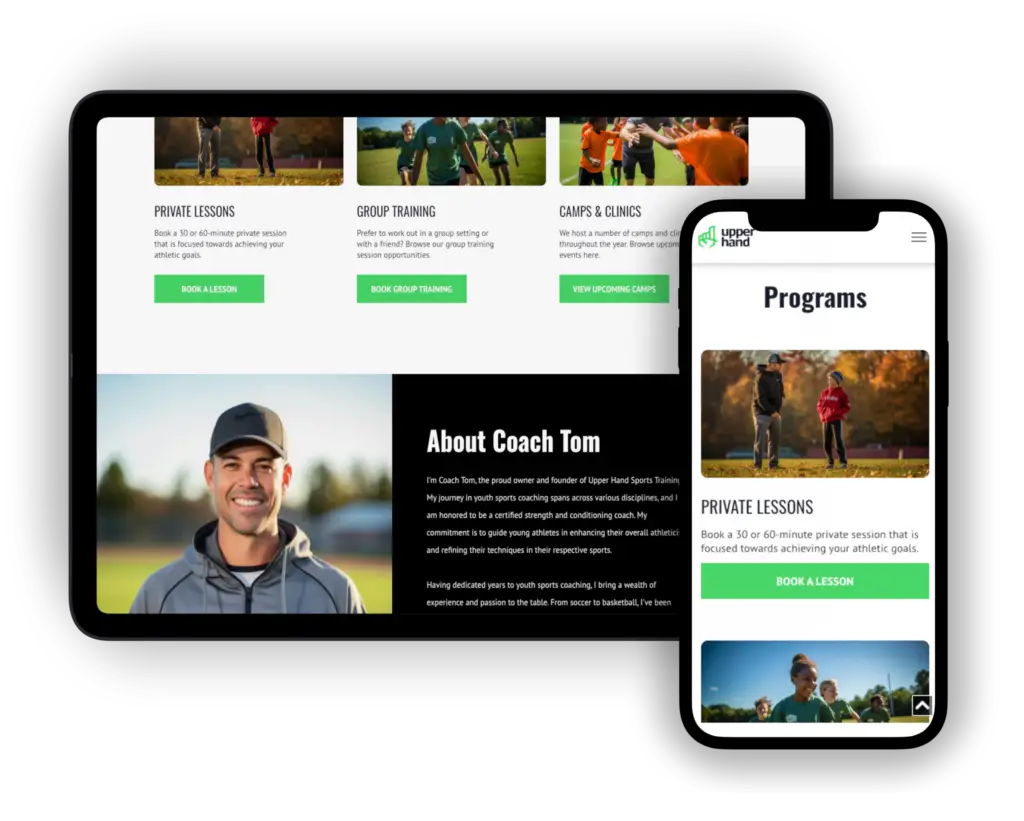
Outdated websites create uncertainty quickly.
If schedules, registration dates, program availability, or seasonal information appear old, parents may assume programs are inactive or unavailable even when registrations are still open.
This is especially common between seasons when facilities become less active updating website content.
Keeping information current helps facilities maintain visibility while making the website feel active and reliable throughout the year.
This includes regularly updating:
Updated websites also perform better for SEO because search engines increasingly prioritize fresh, relevant, and experience-driven content.
Facilities that consistently maintain their websites tend to create stronger long-term visibility compared to websites that remain static for months at a time.
Most parents are visiting sports facility websites on their phones.
If navigation feels difficult on mobile devices, registration buttons are hard to tap, or schedules become difficult to read, engagement drops quickly.
Modern website performance is no longer just about desktop loading speed. Mobile responsiveness, visual stability, and interaction quality now heavily affect both user experience and search performance.
Facilities should regularly review:
A smoother mobile experience helps reduce frustration and makes it easier for parents to move from browsing to registration without unnecessary interruptions.
Registration experience affects conversion rates more than many facilities realize.
WebKit by Upper Hand allows facilities to connect registration directly into the website experience through the Upper Hand widget, allowing parents to browse events, create accounts, register, and complete checkout without leaving the site.
Reducing unnecessary steps during registration helps create a smoother experience for families while improving completion rates.
As programs, schedules, and communication continue growing, keeping registrations connected directly to the website also helps facilities maintain a more organized experience overall.
Most website improvements that increase registrations are not dramatic redesigns.
They are usually smaller operational improvements that make it easier for parents to find information, trust the experience, and complete registration without friction.
When websites become faster, easier to navigate, more current, and more connected to the actual facility experience, they tend to support stronger visibility and more consistent registrations over time.
With so many types of programs to choose from — lessons, memberships, leagues, rentals, camps, and tournaments. It’s not always clear which ones deliver the

Summer is one of the busiest times of the year for sports facilities. Programs increase, schedules fill up, and demand becomes more concentrated within a