Relationships Drive Retention
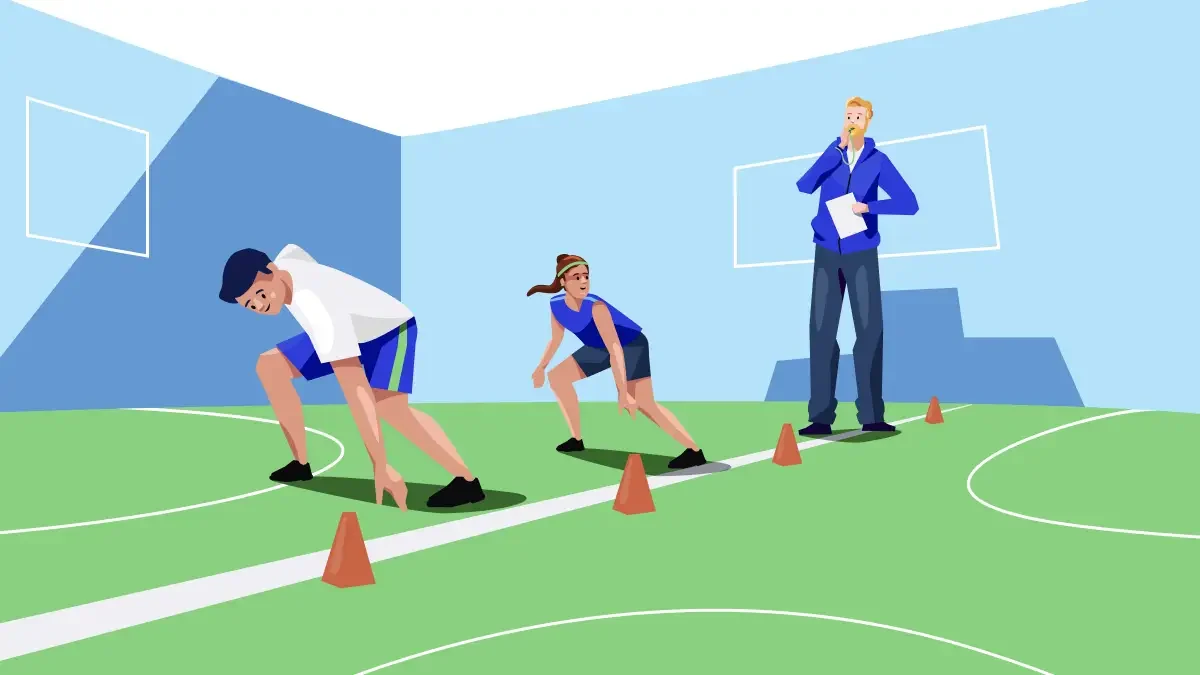
Clients often return because of the relationship they build with a coach.
A strong coach–client relationship creates trust and makes sessions more meaningful.
This goes beyond instruction and includes:
- Listening to client goals and concerns
- Providing encouragement and support
- Creating a positive and consistent experience
When clients feel understood and supported, they are more likely to continue booking sessions.
Friction in Booking and Payments Slows Repeat Sessions
Even when clients have a positive experience, operational friction can prevent them from returning.
If booking or payment requires additional steps, clients may delay or forget to schedule their next session.
Common challenges include:
- Manual scheduling or back-and-forth communication
- Unclear availability
- Separate or delayed payment processes
Reducing friction in these areas makes it easier for clients to rebook quickly.
How Upper Hand Supports Repeat Sessions
Turning first-time clients into repeat sessions becomes more consistent when booking, communication, and payments are connected.
With Upper Hand, coaches can manage scheduling, registrations, and payments in one place, making it easier for clients to book and return without added steps.
This allows coaches to:
- Let clients view availability and book sessions directly
- Manage payments within the same workflow as scheduling
- Send reminders and updates to keep clients engaged
- Maintain visibility into client activity and booking history
By simplifying these processes, coaches can reduce friction and create a more consistent experience that supports repeat sessions.
If you want to see how this works in practice, you can take a closer look inside the platform.
Consistency Builds Long-Term Growth
Retention is not driven by a single action. It is the result of consistent experiences across every interaction.
This includes:
- Structured and intentional sessions
- Clear communication between sessions
- Simple booking and payment workflows
When these elements are aligned, coaches are more likely to turn first-time clients into regular bookings.
Final Thoughts
Turning first-time clients into repeat sessions is often a result of small, consistent improvements in how sessions are delivered and managed.
By focusing on clear progress, strong communication, and reducing friction in booking and payments, coaches can create an experience that encourages clients to return.
Over time, these changes can lead to more consistent bookings and stronger long-term growth.