The fastest growing sports facilities aren’t just rolling with the status quo. Some sports facilities are packed with athletes, hosting back-to-back tournaments, and pulling in
Do you ever feel like you’re constantly guessing what pricing model works best for your programs?
Many sports facility owners wrestle with the same question:
Do I want the steady income that comes with memberships—or the flexibility (and fast sign-ups) that drop-ins bring?
There’s no one-size-fits-all answer. But understanding how each model impacts your revenue, retention, and client relationships can make the difference between steady growth and unpredictable chaos.
Before we dive in, let’s break down what each model really means for your business.
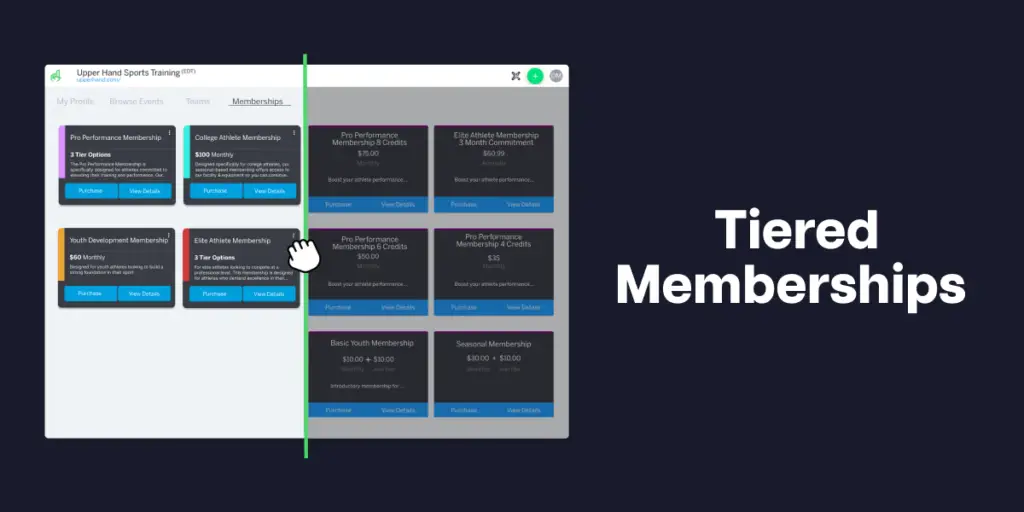
A membership model is built around recurring payments—monthly or seasonal—where clients get ongoing access to your programs or facility. Think of it as your “VIP club.” Members know they belong. You know exactly what revenue to expect.
A drop-in model, on the other hand, offers flexibility. Clients pay per session, clinic, or class. There’s no commitment—just convenience. It’s perfect for families testing the waters or athletes with unpredictable schedules.
Both models can work beautifully, depending on your goals. The key is finding the right balance between predictability and flexibility.
Memberships create steady cash flow and build loyalty but can feel like a commitment hurdle for new clients.
Drop-ins attract new families faster but make it harder to forecast revenue.
Many successful facilities are now embracing hybrid models—memberships for core programs, drop-ins for seasonal or casual use.
A membership is more than just a payment plan—it’s a relationship builder.
Here’s why so many thriving sports businesses love them:
1. Predictable Revenue
Memberships make financial planning easier. You can forecast income, schedule staff confidently, and budget for future investments without wondering if next month’s bookings will cover your costs.
2. Community and Commitment
When families or athletes commit to a membership, they become part of something bigger. It’s no longer a one-off transaction—it’s a relationship. That sense of belonging keeps people coming back season after season.
3. Easier Upsells and Retention
Once a family trusts you enough to commit, it’s much easier to introduce add-ons like private lessons or advanced programs. Members already feel invested, so they’re more open to additional opportunities.
4. Perceived Value
Even if a member doesn’t attend every session, they see the value in being part of your program—access to expert coaching, facility perks, and priority registration.
The Downside:
Memberships aren’t perfect. Some families resist the idea of long-term commitment, especially in youth sports. If your facility caters to a transient or highly seasonal audience, you may struggle to maintain steady numbers year-round.
Drop-ins are great for flexibility and discovery. They appeal to parents who want to “try before they buy” or athletes with unpredictable schedules.
1. Lower Barrier to Entry
New clients are far more likely to test a single session than commit to a full membership. It’s the perfect on-ramp for new families.
2. Higher Short-Term Cash Flow
If you run special events or clinics, drop-ins can generate quick bursts of revenue—especially during peak seasons or holidays.
3. Easier to Market
“Book a single session” is an easier sell than “Join our membership.” This approach is ideal for social ads, first-time promotions, or local partnerships.
The Downside:
Drop-ins make your revenue unpredictable. You’re constantly chasing the next sign-up, and your retention can suffer. It’s a solid short-term play, but without a consistent conversion strategy, it’s hard to build sustainable growth.
Before you pick a direction, take a step back and look at your operations, audience, and growth goals.
1. Look at Your Utilization
Do you have open space during non-peak hours? Drop-ins can help fill that time. Are your programs consistently full? Memberships might be the better fit.
2. Know Your Audience
If your clients are dedicated athletes (club teams, year-round programs), memberships usually work best. If you cater to casual players or families testing different sports, drop-ins may fit better.
3. Think About Cash Flow
Memberships stabilize your finances. Drop-ins generate quick bursts of income. Knowing what your business needs most right now can guide your choice.
4. Plan for Growth
Whatever model you choose should grow with you. If you plan to expand locations or programs, ensure your pricing model can scale without creating extra administrative work.
If You Choose Memberships:
Make the value crystal clear: access, community, perks.
Automate renewals and communications.
Offer flexible payment options (monthly, quarterly, or seasonal).
Use reminders and milestone updates to keep engagement high.
If You Choose Drop-Ins:
Make booking effortless—especially on mobile.
Offer package deals (“Buy 5, Get 1 Free”) to encourage repeat visits.
Collect contact info for follow-ups—this is where conversions happen.
Promote upcoming sessions or events at checkout.
There’s no single “best” model—it’s about what fits your facility.
If you value a steady income and community, memberships are your best friend.
If you need flexibility and fast sign-ups, drop-ins are the way to go.
The fastest growing sports facilities aren’t just rolling with the status quo. Some sports facilities are packed with athletes, hosting back-to-back tournaments, and pulling in
You don’t need a massive ad budget to promote your summer camp — you need the right strategy. If you’ve ever found yourself asking, “What’s