
Picture this. It’s Wednesday morning, you open your laptop, and you’re hoping this is the week registrations finally start rolling in. But your schedule is

Most coaches already have enough content to post.
Sessions are happening every week. Athletes are training. Progress is being made. Questions are coming in from parents and athletes throughout the season.
The challenge is usually knowing what to share consistently and what actually helps people stay connected to the coaching business over time.
A lot of coaches feel pressure to constantly come up with new ideas or create highly polished content. In reality, the strongest coaching content is often the most straightforward because it helps athletes and parents understand the experience, coaching style, and training environment more clearly.
In this article, we’ll walk through six practical social media content ideas coaches and trainers can use to stay visible, build trust, and keep athletes and families engaged consistently.

Training sessions are one of the easiest and most valuable sources of content for coaches.
Parents and athletes often want to understand what sessions actually look like before booking. Short clips from training sessions help answer those questions naturally because they show the coaching environment in real time.
For example, coaches can share:
This type of content gives athletes and parents a clearer understanding of how sessions are structured and how coaches interact with athletes during training.
It also helps coaches stay visible consistently without needing to create entirely separate marketing content.
Progress content helps demonstrate the impact of coaching over time.
Athletes and parents are often looking for signs of improvement before committing to a training program. Showing development gives them a clearer understanding of what consistent coaching can lead to.
This content can include:
The strongest progress content usually focuses on the process rather than dramatic transformations. Small improvements shown consistently tend to feel more authentic and relatable for athletes and parents following along.
Questions coaches hear repeatedly often become the best content topics.
Parents and athletes are constantly trying to better understand training schedules, development timelines, recovery, and expectations. Creating content around those questions helps coaches stay educational while also improving visibility.
For example:
This type of content works well because it provides immediate value while helping parents and athletes better understand the coaching process.
Educational content also tends to perform well in modern search and social platforms because people increasingly use social media to research and learn, not just scroll casually.
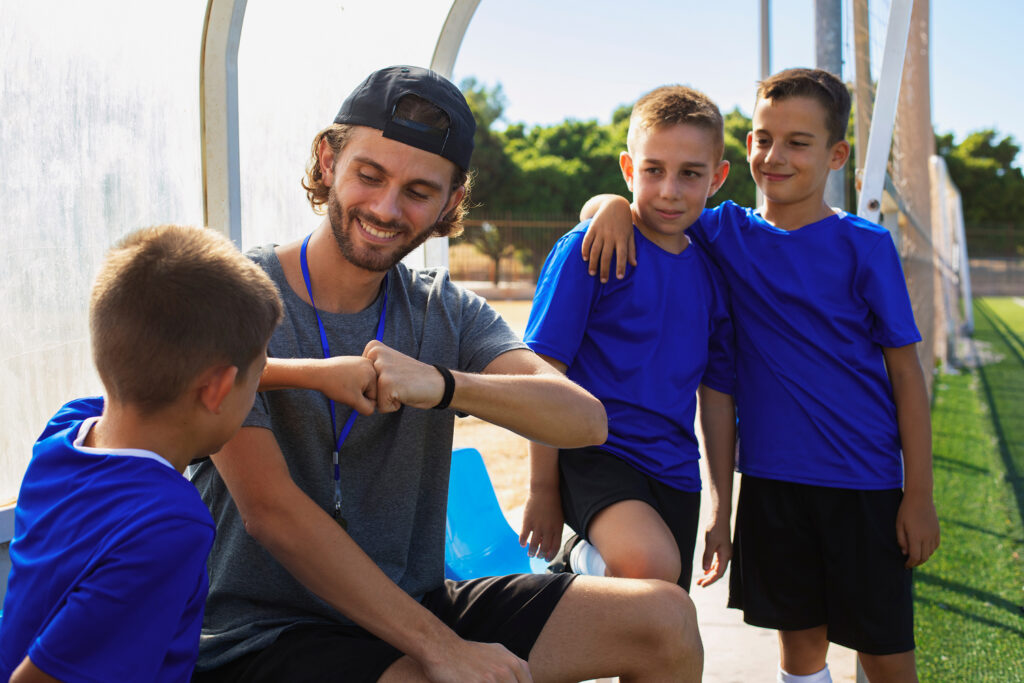
Not every post needs to feel like a promotion.
Behind-the-scenes content helps coaches build familiarity by showing the day-to-day work that happens around training sessions. This type of content often feels more authentic because it reflects the real environment athletes are stepping into.
Examples can include:
Recent social media trends continue showing stronger engagement around authentic, process-driven content instead of overly polished posts.
This type of content helps humanize the coaching business while keeping communication consistent.
Parent feedback and athlete experiences help build trust in a way general promotional posts cannot.
Families often want reassurance before booking a session or committing to a program. Hearing directly from other athletes or parents helps provide that confidence naturally.
This can include:
The strongest examples usually feel conversational and specific rather than overly scripted.
For example, a short comment from a parent explaining how their athlete became more confident or consistent often feels more believable than a highly produced testimonial video.
Many coaches underestimate how important operational content is for visibility.
Registration reminders, upcoming session announcements, availability updates, and offseason training schedules all help keep athletes and families connected to the coaching business throughout the year.
This type of content also helps reduce confusion because parents are already looking for:
When communication stays consistent, athletes and families are less likely to lose track of upcoming programs or training opportunities.
As coaching schedules, communication, and bookings grow, managing everything manually becomes harder to maintain consistently.
Upper Hand helps coaches keep scheduling, registrations, communication, and client management connected in one place. This makes it easier to manage session availability, keep athletes informed, and maintain a smoother experience throughout the season.
Instead of juggling multiple systems separately, coaches can keep operations and communication aligned as programs continue growing.
The strongest coaching content usually focuses less on promotion and more on helping athletes and parents understand the experience, coaching style, and development process more clearly.
When coaches stay visible consistently through educational content, session moments, athlete progress, and communication updates, social media becomes easier to maintain long term.
Over time, those small, repeatable content systems help build familiarity, trust, and stronger relationships with athletes and families.
Picture this. It’s Wednesday morning, you open your laptop, and you’re hoping this is the week registrations finally start rolling in. But your schedule is

Marketing usually becomes inconsistent when facilities get busy. Programs are running, schedules are changing, staff members are focused on day-to-day operations, and communication starts revolving