What Running a Modern Sports Facility Looks Like With Upper Hand

Walk into a sports facility today and you’ll notice something different than you would have five or ten years ago. Parents expect online registration. Athletes expect quick communication. Staff need access to schedules, payments, and program information without digging through spreadsheets. Owners want visibility into registrations, revenue, attendance, and overall business performance. Providing great coaching…
How to Increase Sports Facility Registrations Without Ads

When registration numbers start slowing down, many sports facilities immediately think they need to spend more money on advertising. But before increasing your ad budget, it’s worth asking a different question: Are families already interested in your programs but simply not taking the next step? In many cases, registration challenges have less to do with…
5 Emails Every Sports Facility Should Be Sending

Parents rely on email more than most facilities realize. Schedules change, registrations open, sessions fill up, weather impacts programming, and questions come in throughout the season. Email is often the main place families look to stay informed and decide what to do next. The challenge is that many facilities send emails inconsistently. Some programs get…
How to Improve Marketing Without Adding More Work
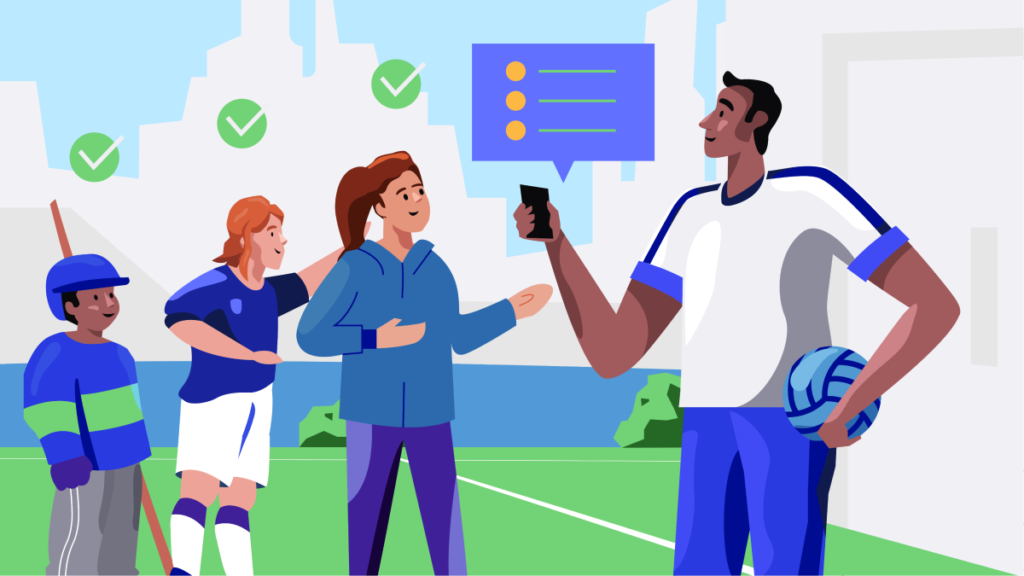
If you’re managing marketing across multiple locations, things tend to get messy over time. Different teams are posting different content. Emails go out at different times. Some locations stay active while others fall behind. Even when effort is there, results can feel inconsistent. This usually comes down to how marketing is organized across locations, not…
How to Use Email to Drive More Registrations

You send an email when registration opens. A few people sign up. Then things slow down. Not because there isn’t interest, but because there’s no consistent follow-up bringing people back. In this article, we’ll break down how to use email in a way that actually leads to more registrations. Key Takeaways • Email is one…
What Causes Delays Between Registration and Payment

Registrations don’t always lead to completed payments right away. In many cases, athletes secure a spot in a program, but payment is delayed, incomplete, or requires follow-up. Over time, these gaps can create additional administrative work and make it harder to maintain clear visibility into revenue. Understanding where delays occur between registration and payment helps…
How to Plan for the Upcoming Summer Season

Summer is one of the busiest times of the year for sports facilities. Programs increase, schedules fill up, and demand becomes more concentrated within a shorter window. At the same time, operations become more complex. You’re managing more sessions, more communication, and more moving parts across your schedule. Without a clear plan, small issues that…
Innovation Issue: Upper Hand Product Update Q1

We’re excited to share some of the latest updates to Upper Hand. Whether you’re preparing for a busy spring season or looking to improve how your programs run day to day, these updates are designed to give you more flexibility and visibility across your operations. Let’s dive in! Staff Availability: Multiple Schedules We’ve added more…
What Running A Sports Facility Looks Like With Upper Hand

Running a sports facility involves managing scheduling, registrations, payments, staff, and communication across multiple programs. As facilities grow, handling these responsibilities manually or across disconnected tools can make operations more complex and time-consuming. Upper Hand is designed to support this shift by helping facility owners manage their day-to-day operations, reduce administrative work, and maintain better…
6 Weekly Admin Tasks Slowing Coaches Down
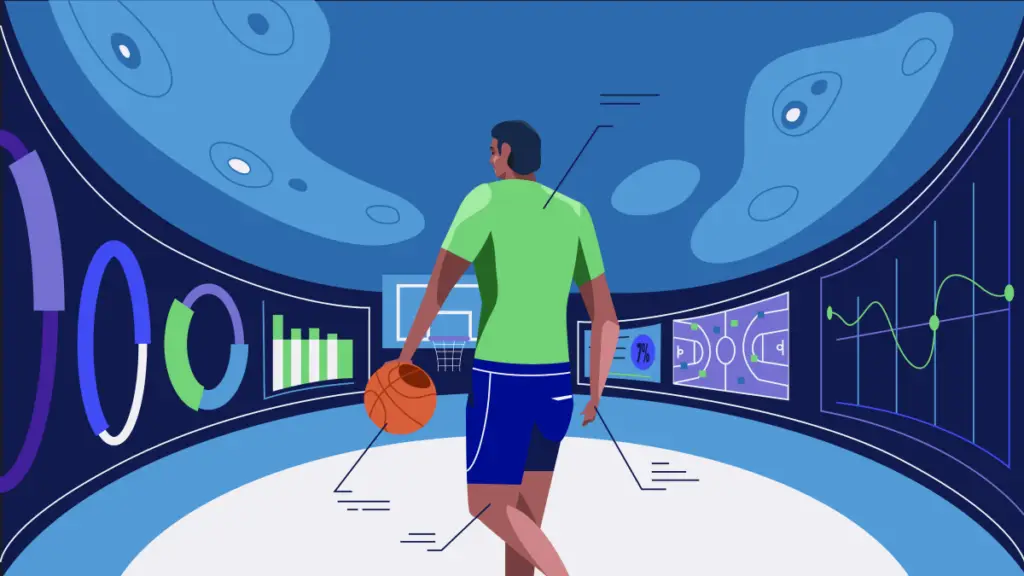
At some point during the week, it starts to feel like you’re spending more time managing admin tasks than actually coaching. For example, a few messages about availability. A couple of reschedules. or even a payment that still hasn’t come through. None of it takes long on its own. But it keeps showing up. By…